The BRIDGE Platform: Going Beyond Symptom Management
WHAT is BRIDGE?
THE BRIDGE HEALTH IMPACT
HOW BRIDGE WORKS
BRIDGE: Bioengineering Resilience to Inflammatory Disease through Gut Ecology
The gut microbiome is a key contributor to the pathogenesis of chronic diseases affecting the gut, skin, pancreas, lungs, immune and nervous systems. In the colon, microbial fermentation accumulates bioactive molecules (including short-chain fatty acids and hydr
BRIDGE: Bioengineering Resilience to Inflammatory Disease through Gut Ecology
The gut microbiome is a key contributor to the pathogenesis of chronic diseases affecting the gut, skin, pancreas, lungs, immune and nervous systems. In the colon, microbial fermentation accumulates bioactive molecules (including short-chain fatty acids and hydrogen sulfide) whose production is disrupted in chronic disease.
We asked: "How can we restore the function of the gut microbiome in chronic disease patients to re-establish accumulation of these beneficial molecules?"

HOW BRIDGE WORKS
THE BRIDGE HEALTH IMPACT
HOW BRIDGE WORKS
The gut microbiome is an ecosystem, much like a fish tank. Imagine taking fish from the ocean and placing them in an aquarium filled with tap water. The fish might survive, but the environment is no longer right for them to function normally.
Something similar happens in chronic disease: the microbes are still there, but the gut environm
The gut microbiome is an ecosystem, much like a fish tank. Imagine taking fish from the ocean and placing them in an aquarium filled with tap water. The fish might survive, but the environment is no longer right for them to function normally.
Something similar happens in chronic disease: the microbes are still there, but the gut environment may no longer support the metabolic functions we need them to perform.
So we developed BRIDGE: a patent-protected drinking water formulation designed to restore the gut environment and stimulate the microbiome to produce beneficial bioactive molecules at therapeutic levels.
THE BRIDGE HEALTH IMPACT
THE BRIDGE HEALTH IMPACT
THE BRIDGE HEALTH IMPACT
We have evaluated BRIDGE across three levels of evidence. In vitro, we demonstrated that BRIDGE significantly increases gut microbiome-dependent production of butyrate and hydrogen sulfide. BRIDGE restored fiber-dependent bioactive accumulation in microbiomes from individuals who do not produce these bioactives. In preclinical models,
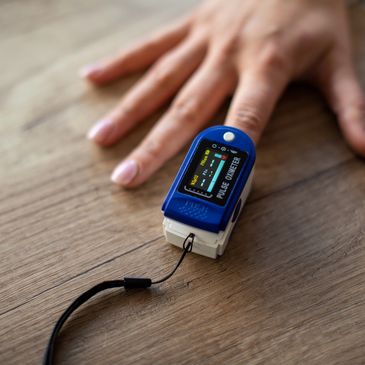
We have evaluated BRIDGE across three levels of evidence. In vitro, we demonstrated that BRIDGE significantly increases gut microbiome-dependent production of butyrate and hydrogen sulfide. BRIDGE restored fiber-dependent bioactive accumulation in microbiomes from individuals who do not produce these bioactives. In preclinical models, BRIDGE significantly improved survival following a lethal respiratory viral infection and protected lung tissue from inflammatory damage, with efficacy comparable to a pharmaceutical antiviral treatment group. Most importantly, BRIDGE has shown activity in humans. In an initial human pilot, we observed significant improvements in glucose control and systemic oxygenation.
Together, these findings support the potential of BRIDGE to prevent tissue damage, improve physiological resilience, and ultimately help patients restore their health.